
Module 2: Energy and Pottery of the “Deo´o Koka” Digital Education Plan
Prepared by: Pablo Yépez and Yadira Ocoguaje
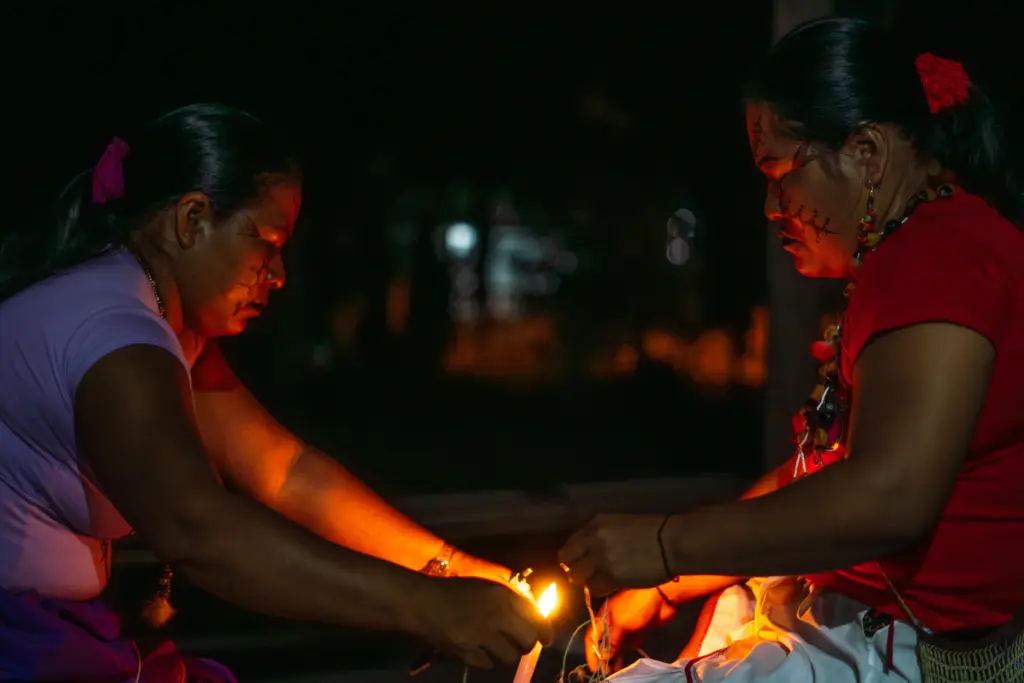
Before discussing the energy transition in the Amazon, it is worth remembering that, for Indigenous peoples, this process did not begin with solar panels or electric vehicles. For the Siekopaai, the history of energy is much older and deeper, and is closely connected to their culture, territory, and way of life.
The three sessions on energy and pottery led by Yadira Ocoguaje, a Siekopaai master potter, invite us to reflect on this long history. What we now call the energy transition could represent, for the Siekopaai, the fourth major transition in their existence.
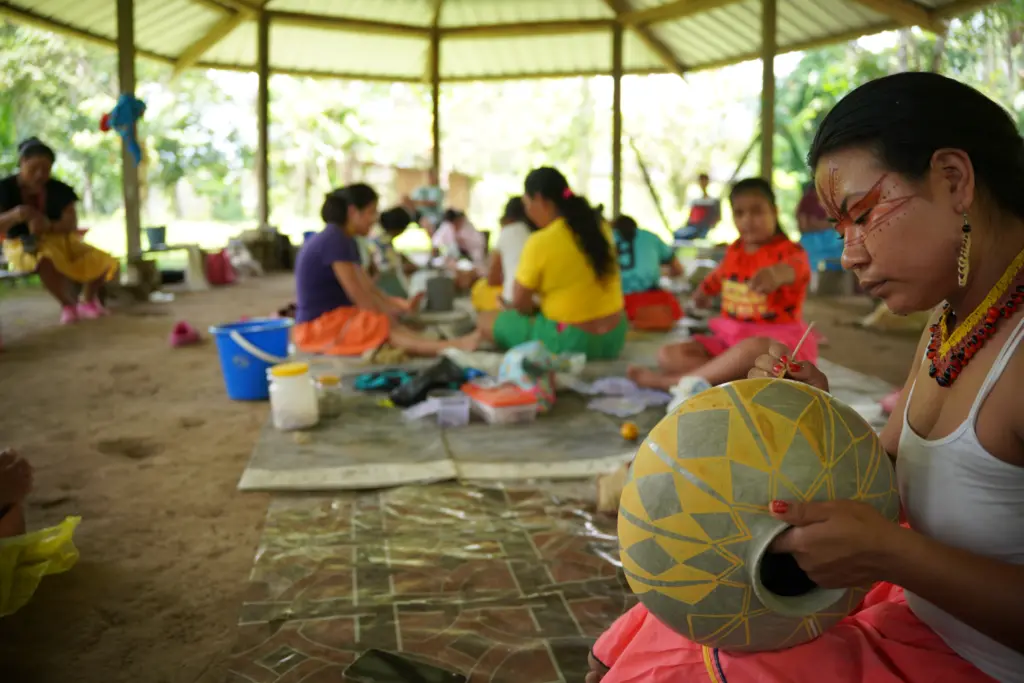
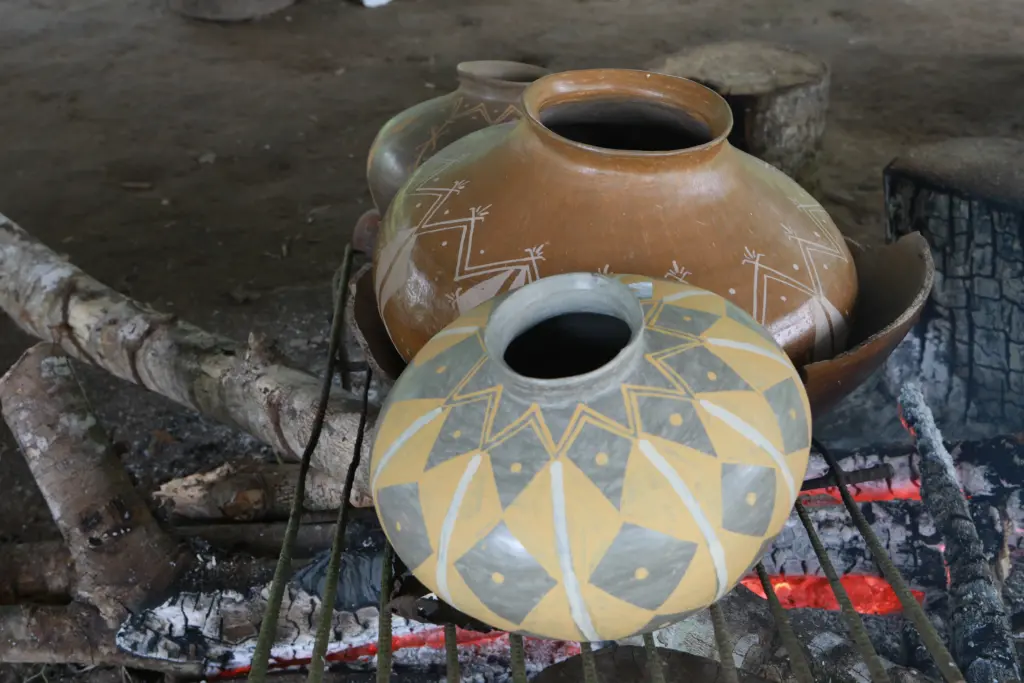
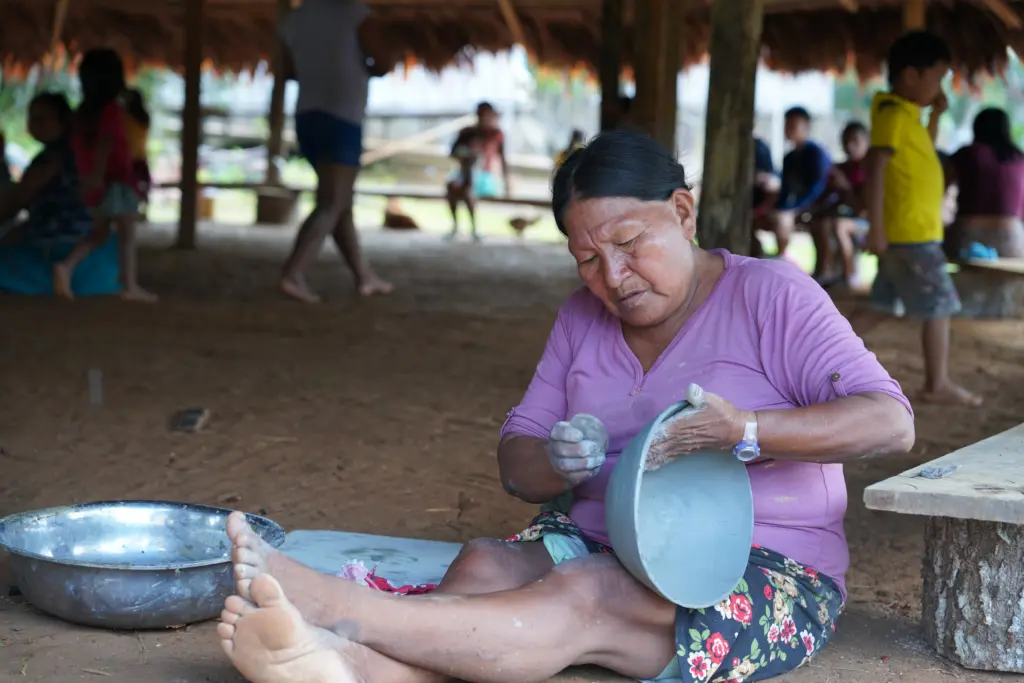
The first transition began with fire. According to Siekopaai tradition, it was Ñañe Paaina, the creator and transforming being, who gave fire to the first human beings. With it, they learned to cook, transform food, and live collectively. At the same time, ancestral female teachers taught women how to collect clay and make pottery. Fire and clay gave rise to an ancestral technology that forever transformed the lives of the Siekopaai people.
Ceramic pots and containers made it possible to develop a cuisine based on cassava, chili pepper, piaraká, and cassava bread, highly nutritious foods that could be stored during long journeys along Amazonian rivers and forest trails. Pottery also made it possible to prepare medicinal and ceremonial plants such as yajé, strengthening a complex worldview that connected people with the forest, the spirits, and the universe.
For centuries, the Siekopaai managed their own energy. They used resources from the forest to build homes, canoes, tools, tsio—traditional gardens—and knowledge systems that ensured their autonomy. Energy came from firewood, collective work, rivers, knowledge passed down from generation to generation, and a balanced relationship with nature.
The second major transition arrived with colonization, but intensified particularly during the twentieth century with missionary activity and oil development. Outboard motors, batteries, flashlights, airplanes, roads, and firearms radically transformed community life. Mobility became dependent on fossil fuels, and many traditional activities were replaced by external technologies that required money to operate.
The third transition occurred with the arrival of photovoltaic systems. Paradoxically, the Siekopaai began using solar energy in the 1990s, when much of Ecuador was still unfamiliar with this technology. The first solar panels provided lighting for homes and later powered small electrical devices. This transition was less harmful to the territory, but it also opened the door to new external influences through television, the media, and the cultural changes that accompanied electrification.
Today, we are experiencing a fourth transition. Communities now have access to electricity from the national grid, fossil fuels, smartphones, the internet, and a wide range of modern technologies. However, this apparent improvement raises an uncomfortable question: who truly controls energy?
The Siekopaai have moved from autonomously managing the energy resources they needed to live to depending on external systems for which they must continuously pay. Gasoline, cooking gas, and electricity are expensive, sometimes costing more than they do in many Ecuadorian cities. This situation is paradoxical, considering that oil, water, and other resources used to generate energy largely come from Indigenous territories, including the territory of the Siekopaai Nation.
The reflection emerging from this process is profound. For thousands of years, the Siekopaai developed their own ways of producing, managing, and using energy in harmony with their culture and territory. In only a few decades, this autonomy was replaced by a growing dependence on external systems that demand money and consumption and often accelerate the transformation of traditional ways of life.
Therefore, discussing the energy transition in the Amazon today should not be limited to debating new technologies. It must also involve asking how energy autonomy can be restored, how ancestral knowledge can be strengthened, and how energy models can be developed with the Free, Prior and Informed Consent of Indigenous peoples. These models must respect their cultures, nature, and the right and autonomy of Indigenous peoples to decide their own future.
All these topics were addressed during the three sessions that formed the module entitled Energy and Pottery. Below, we share the videos corresponding to each session: