
Por: Samay L. Vega
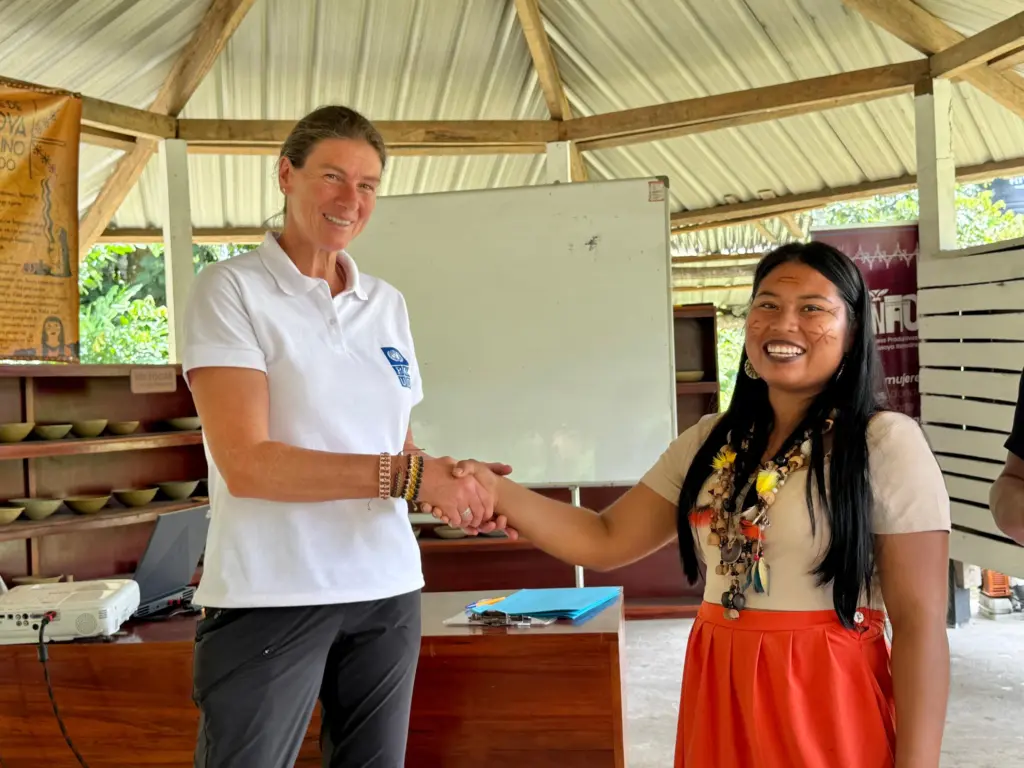
The Center for Training and Education (CEFO), together with Asociación Keñao and Fundación Raíz, is participating in the Small Grants Programme (SGP) with the project “Siekopaai Women and Ancestral Ceramics,” an initiative that seeks to strengthen the role of Siekopaai women in territorial conservation, the community economy, and the revitalization of their ancestral knowledge.
The project is being implemented in the Cuyabeno–Limoncocha Biocorridor and aims to strengthen bioenterprises led by Siekopaai women by improving their organizational capacities, developing sustainable business models, and implementing conservation actions that contribute to maintaining and strengthening the ecological connectivity of the biocorridor.
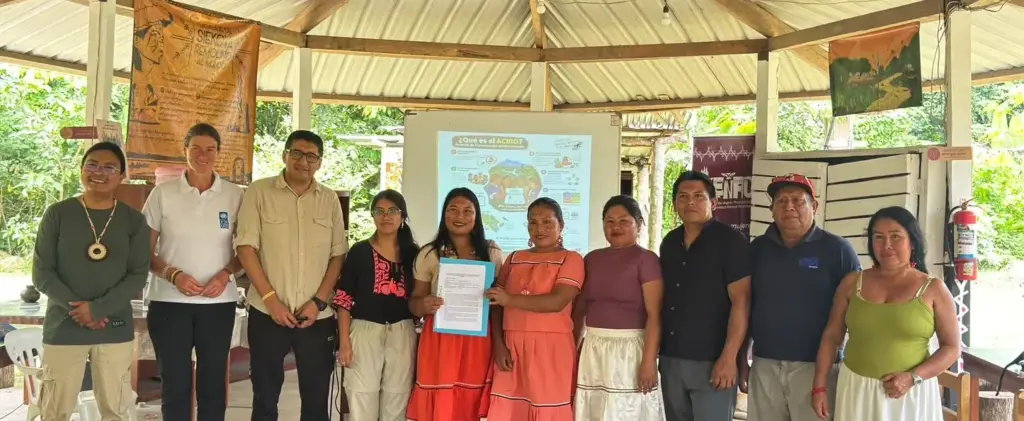
Siekopaai ancestral ceramics are one of the central elements of this initiative. In addition to representing an expression of cultural identity and knowledge, ceramics provide an opportunity to generate sustainable economic alternatives and strengthen women's leadership within their communities. In this way, the project seeks to connect the revitalization of ancestral knowledge with new tools for the management, marketing, and sustainability of bioenterprises.
As part of this process, CEFO contributes through meaningful connectivity, understood as a tool for strengthening community capacities and facilitating access to information, communication, and new opportunities. As part of the project, CEFO will install a meaningful connectivity system in the community of San Pablo, providing better conditions for community communication, knowledge exchange, and the development of educational and productive activities.
The collaboration between CEFO, Asociación Keñao, and Fundación Raíz seeks to integrate technology, culture, community organization, and conservation, recognizing the leadership of Siekopaai women and their contribution to protecting their territory.
Thus, “Siekopaai Women and Ancestral Ceramics” represents an opportunity to strengthen the knowledge and capacities already present in the communities, promote sustainable bioenterprises, and contribute to the conservation of the Cuyabeno–Limoncocha Biocorridor, connecting cultural heritage with new tools for the future of Siekopaai territory.